
Neurodivergent Couples Counseling in Cedar Park and Across TexasYour brains work differently. Your relationship can still work beautifully.
When one or both partners are neurodivergent, relationship struggles often have less to do with love and more to do with translation. You may be speaking different languages without realizing it.
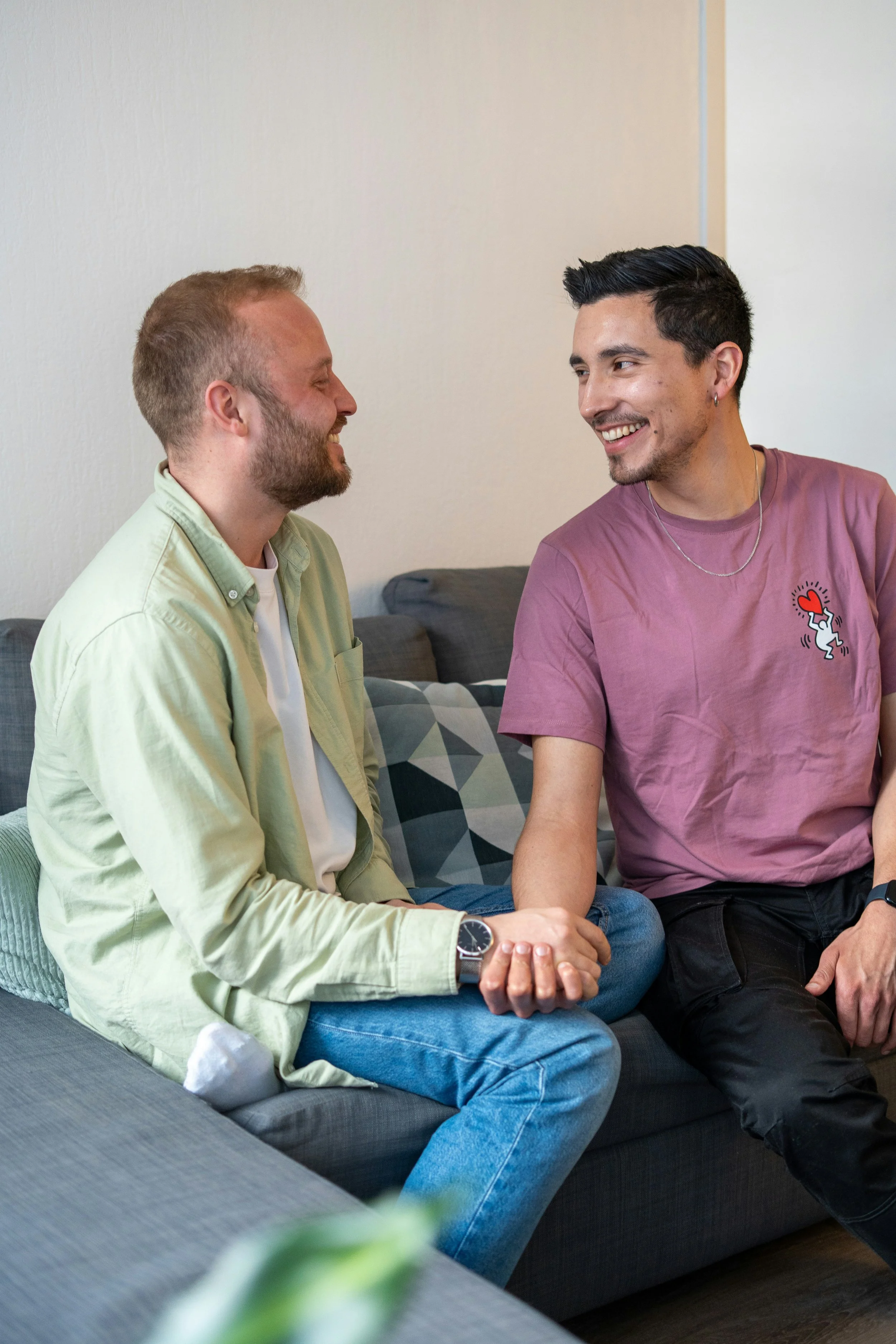
Neurodivergent couples counseling is couples therapy tailored to relationships where one or both partners have ADHD, are autistic, or have other neurological differences. A neurodiversity-affirming approach treats these differences as variations in how people think and process the world, not as flaws to fix.
I'm Courtney, an LMFT-Associate and I'm married to a partner with ADHD. I know firsthand the frustration of feeling unheard, the hurt of misread intentions, and the relief of finally understanding that you're both doing your best with very different wiring. I also know how much love, humor, and creativity a neurodiverse relationship can hold.
That experience shapes how I show up for couples. I won't hand you advice designed for neurotypical relationships and ask you to try harder. I'll help you build a relationship that fits the two people actually in it.
What Is Neurodivergent Couples Counseling?
Common Challenges for ADHD and Autistic Couples
One partner feeling overwhelmed, the other feeling ignored
Misunderstandings about tone, intent, or what was "obviously" meant
A parent-child dynamic around chores, time, or follow-through
Sensory needs, shutdowns, or meltdowns that are hard to talk about
Feeling like traditional couples advice just doesn't fit
A Tailored Approach for Every Neurodiverse Couple
No two neurodiverse relationships look the same. A couple where one partner has ADHD will often face different challenges than a couple where one partner is autistic, and couples where both partners are neurodivergent have their own dynamics. That's why I don't use a one-size-fits-all method. I draw on three well-established approaches and adapt them to how your relationship actually works.
Emotionally Focused Therapy (EFT): Understanding Your Emotional Cycle
EFT helps couples recognize the negative cycle that takes over during conflict, like one partner pursuing while the other shuts down, and understand the needs underneath it.
Traditional EFT leans on emotional reflection, reading nonverbal cues, and long, intense conversations. For neurodivergent partners, I adapt it with more structure, direct language instead of relying on tone, pacing that respects regulation, and visual maps of your cycle so you can see the pattern instead of just feeling it.
The Gottman Method: Practical Tools You Can Use at Home
I have completed Gottman Level 1 & 2 training and consult weekly with a Certified Gottman Therapist. The Gottman Method offers concrete, research-based tools for communication, conflict, and connection, such as gentle ways to start hard conversations, repair attempts after a fight, and small daily rituals that build closeness.
Many neurodivergent couples appreciate this clear, practical framework. I adapt Gottman tools to fit your brains, for example by turning rituals of connection into routines with reminders, breaking conversations into shorter steps, or building written agreements you can come back to when memory or overwhelm gets in the way.
Family Systems: How Your Histories Shape Your Relationship
Family Systems therapy looks at how the families we grew up in shape the way we love, communicate, and handle stress. For neurodiverse couples, this often uncovers important history: a parent with undiagnosed ADHD or autism, a childhood spent masking to fit in, or family roles like "the responsible one" or "the forgetful one" that quietly repeat in your marriage.
Understanding these patterns can replace blame with compassion and help you both choose new roles that fit who you are now.
How I Decide What Your Relationship Needs
In our first sessions, we'll talk about how neurodivergence shows up for each of you, what's been hardest, and what's already working. From there, I'll shape our work around your needs. For example:
If you're caught in a parent-child dynamic around chores, time, or follow-through, we might focus on Gottman-based systems and EFT work around the hurt underneath the frustration.
If emotional conversations feel overwhelming or confusing, we'll slow EFT down and add more structure and written supports.
If you're both neurodivergent, we'll look at how your different needs interact, such as one partner craving stimulation while the other needs quiet.
If old family patterns keep resurfacing, we'll bring in a Family Systems lens to understand where they came from.
I'll explain what we're doing and why along the way, and I'll check in regularly about what's helping. You're the experts on your relationship, and your feedback shapes the process.
Frequently Asked Questions
Still have questions? Take a look at the FAQ or reach out anytime. If you’re feeling ready, go ahead and schedule a free 15-minute consultation call.
-
Many neurodiverse couples leave traditional therapy feeling misunderstood, often because the advice assumed both partners process things the same way. If a past therapist focused on "trying harder" or left one partner feeling blamed, an adapted approach can feel very different. I'm happy to hear what didn't work before so we can avoid repeating it.
-
The first session is about getting to know you as a couple and as individuals. We'll talk about what brought you in, how each of you experiences the relationship, and what you hope will change. You don't need to prepare anything or have the "right" words.
-
That's okay, and it's useful information. We can pause, take a break, switch to writing, or come back to the topic later. Learning to notice and respect each other's limits is often part of the work itself.
-
Yes. A late diagnosis can bring relief, grief, and new questions about years of misunderstanding in the relationship. We can make room for both partners to process what the diagnosis means for your past and your future together.
-
That's fine. We don't need to agree on labels to work on how your differences affect the relationship. Our focus stays on what's happening between you, not on convincing anyone of a diagnosis.
-
Yes. Sensory sensitivities, differences in desire, attention, and routines can all affect physical closeness. We can talk about these topics openly and without judgment, at a pace that feels comfortable for both of you.
-
Sometimes, but it's designed to fit your life. Instead of long assignments that are easy to forget, we might use short check-ins, reminders on your phone, visual charts, or one small experiment to try during the week.
-
That's a personal decision, and I don't prescribe or give medical advice. Some partners benefit from individual therapy, ADHD coaching, or a medication evaluation alongside couples work. If you're working with other providers, I'm happy to coordinate care with your permission.
-
Many families have neurodivergence across generations, and parenting neurodivergent children can add stress to a relationship. We can talk about how to support each other as parents and stay connected as a couple.
-
Yes. Some couples meet in my Cedar Park office for some sessions and online for others, depending on schedules, energy, or sensory needs. Virtual sessions are available anywhere in Texas.
-
Schedule a free 15-minute consultation to ask questions and see whether we're a good fit!
Let’s Work Together
If you're interested in working with me, complete the form with a few details about your needs. I will do my best to review your message and get back to you within 48 hours.